Field Guide · Notebook I
A Field Guide to Wild Buckwheats
How to read a wild buckwheat: genus basics, identification by flowers, leaves and involucres, and portraits of the species hikers meet first.
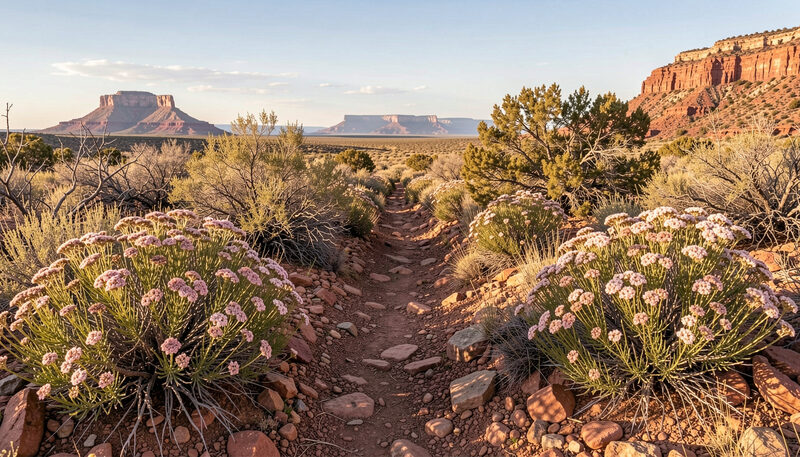
This section is the journal's field guide: a method for putting names on the wild buckwheats of the American West, and portraits of the species that walkers and gardeners meet first. The genus Eriogonum rewards exactly the kind of attention a guide teaches, because its species are common, conspicuous in their dry habitats, and varied enough to stay interesting for a lifetime of walks. The pages below move from the general to the particular, from what a wild buckwheat is, to how any buckwheat is identified, to close portraits of three species no western garden should be without.
A reader new to the genus should start at the beginning and walk down. A reader arriving with a plant in mind, or a photograph from a hike, can go straight to the identification method and then to the portraits.
What a wild buckwheat is
The guide opens with the genus itself: what a wild buckwheat actually is, how a group of some two hundred and fifty western species relates to the pantry buckwheat it was named after, and why the genus concentrates in the dry West. That page sets the vocabulary every later page uses, the involucre with its cupped florets, the felted leaves, the three angled seed, and the quiet band of bloom colors from cream to rust. It also explains the two obsessions this journal keeps returning to, the genus's drought craft and its value to wildlife, both of which follow from the same small flowers held over silver foliage through the driest weeks.
How to identify any buckwheat
The second page teaches the craft: identifying wild buckwheats in the field, by a fixed routine that reads the involucre, the flowers, the leaves and the habitat in the same order every time. The method settles the genus with certainty on any western walk, then narrows the species to a short list the floras finish. It is the page to read before the first buckwheat season, and the one experienced walkers reread, because the discipline of recording a plant properly, whole plant, head, leaf, ground, date, is what turns a nice photograph into a determination.
Three portraits to begin with
The portraits then follow the genus into gardens and hillsides. Sulfur buckwheat, the yellow domed species of montane gravel, is the plant most western gardens begin with, and one of the most variable species in the flora, a page that explains why the origin of a plant matters. California buckwheat carries the chaparral year on pale heads that go from pink to rust, feeds the dry season's insects on rainfall alone, and anchors more southern California gardens than any other native shrub. Saint Catherine's lace, the island tree buckwheat, shows how far the genus can go, to dinner plate heads of cream on a grey fountain three metres tall.
Where the guide goes next
Field knowledge and garden knowledge meet in the journal's other sections. Once a reader can name the local buckwheat, the dry gardens section covers growing the genus from seed and establishing it without irrigation, and the people and pollinators section covers the wildlife the genus feeds and the small world of botanists and societies that study it. The order can run either way: hikers become growers, and growers, once their first dome flowers, start walking the hills to see the wild versions. The journal is written for both, and this guide is the common door.
Start with the introduction, take the identification method on the next walk, and read the portrait of whichever species the walk produces. By the third species the genus stops being a blur of pale flowers and starts being an address book.
Field Guide · entry
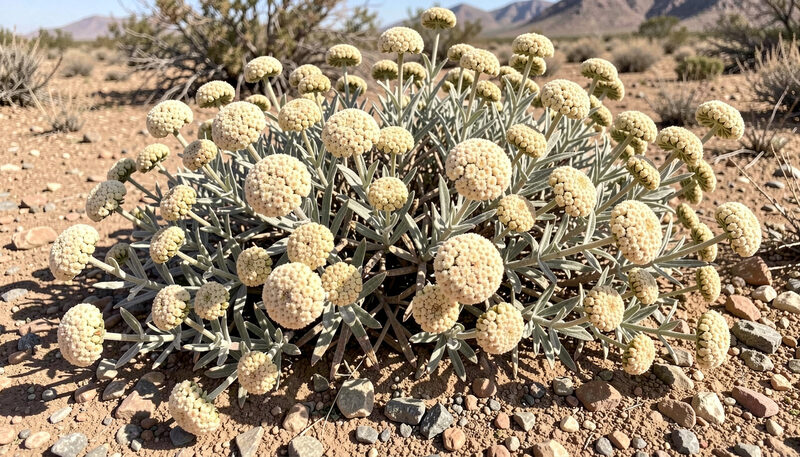
What is a wild buckwheat?
Wild buckwheats are the genus Eriogonum, some 250 western North American shrubs and perennials with tiny flowers in cups, cousins of the pancake grain.
The genus, its family, its range, and the cousin that makes pancake flour.
Field Guide · entry
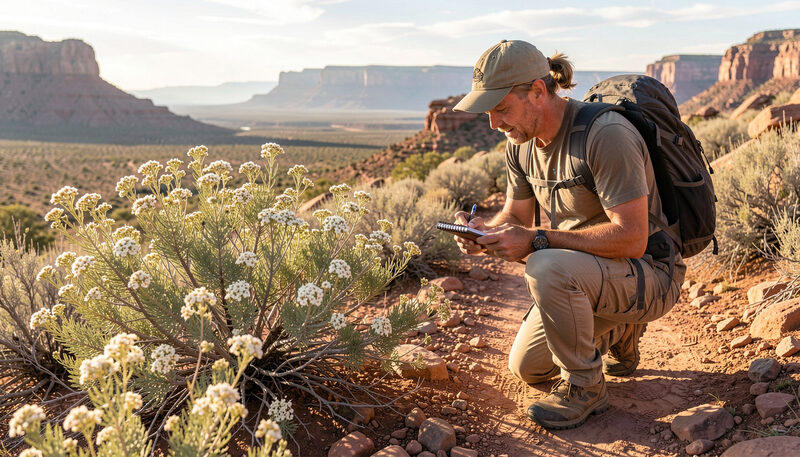
Identifying wild buckwheats in the field
A practical method for naming a wild buckwheat on a walk: read the involucre, count the flowers, feel the leaves, note the habitat, then reach for the flora.
Involucre, flower count, leaf feel, habitat: a routine that names most walks.
Field Guide · entry
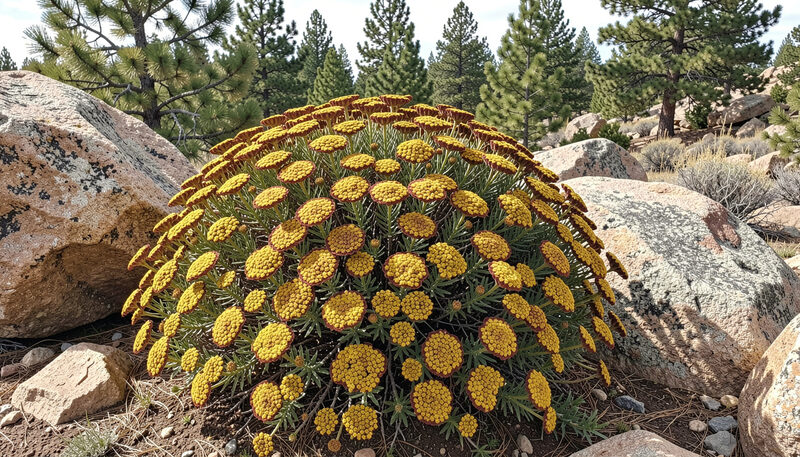
Sulfur buckwheat, Eriogonum umbellatum
Sulfur buckwheat makes a flat dome of yellow heads that rust with age over felted leaves, asks no summer water, and feeds the last butterflies of the season.
The flat dome of yellow that rusts with age, on no summer water.
Field Guide · entry
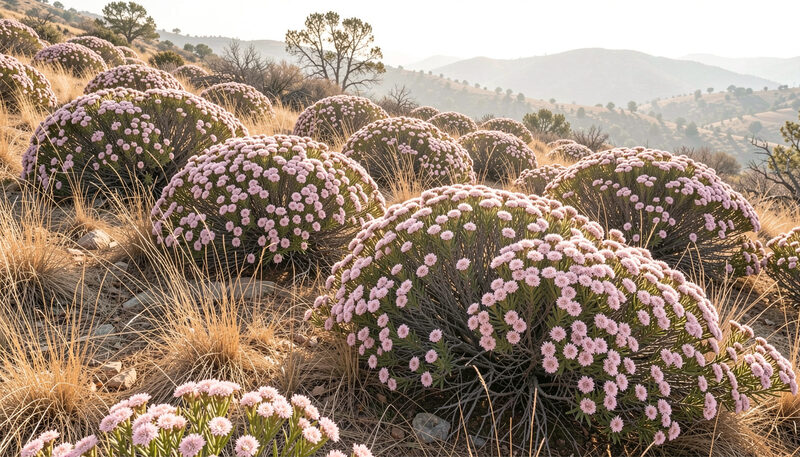
California buckwheat, Eriogonum fasciculatum
California buckwheat carries the chaparral year on pale heads that go from pink white to rust brown, feeds bees through the dry months, and asks only sun.
Pale heads from pink white to rust brown, carrying the chaparral year.
Field Guide · entry
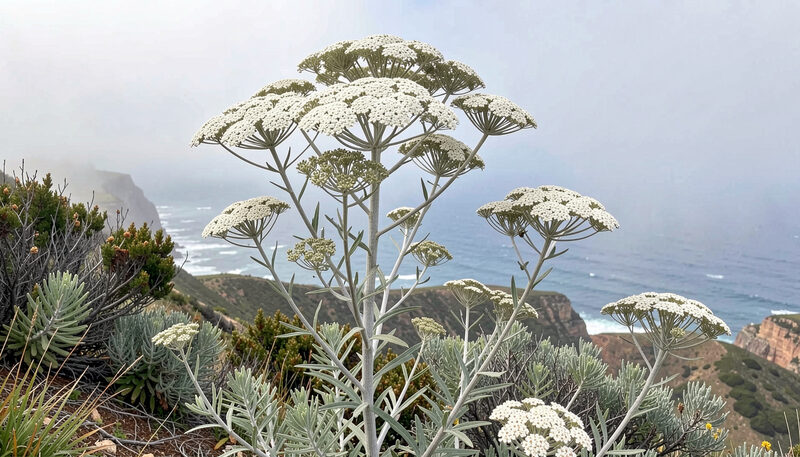
Saint Catherine's lace, Eriogonum giganteum
Saint Catherine's lace is the tree buckwheat of the Channel Islands, a grey fountain that carries dinner plate heads of cream flowers above dry garden gravel.
Dinner plate heads of cream on the grey fountain of the Channel Islands.